It began with a simple question from a student during a campus dialogue:
“Why don’t we ever talk about people in jail when we talk about human rights?”
That question stayed with me. Because behind every headline on justice reform are thousands of persons deprived of liberty (PDLs)—men, women, and even youth—whose lives continue in the shadows. And among those who can bring light to these stories are the very generation asking that question: Gen Z.
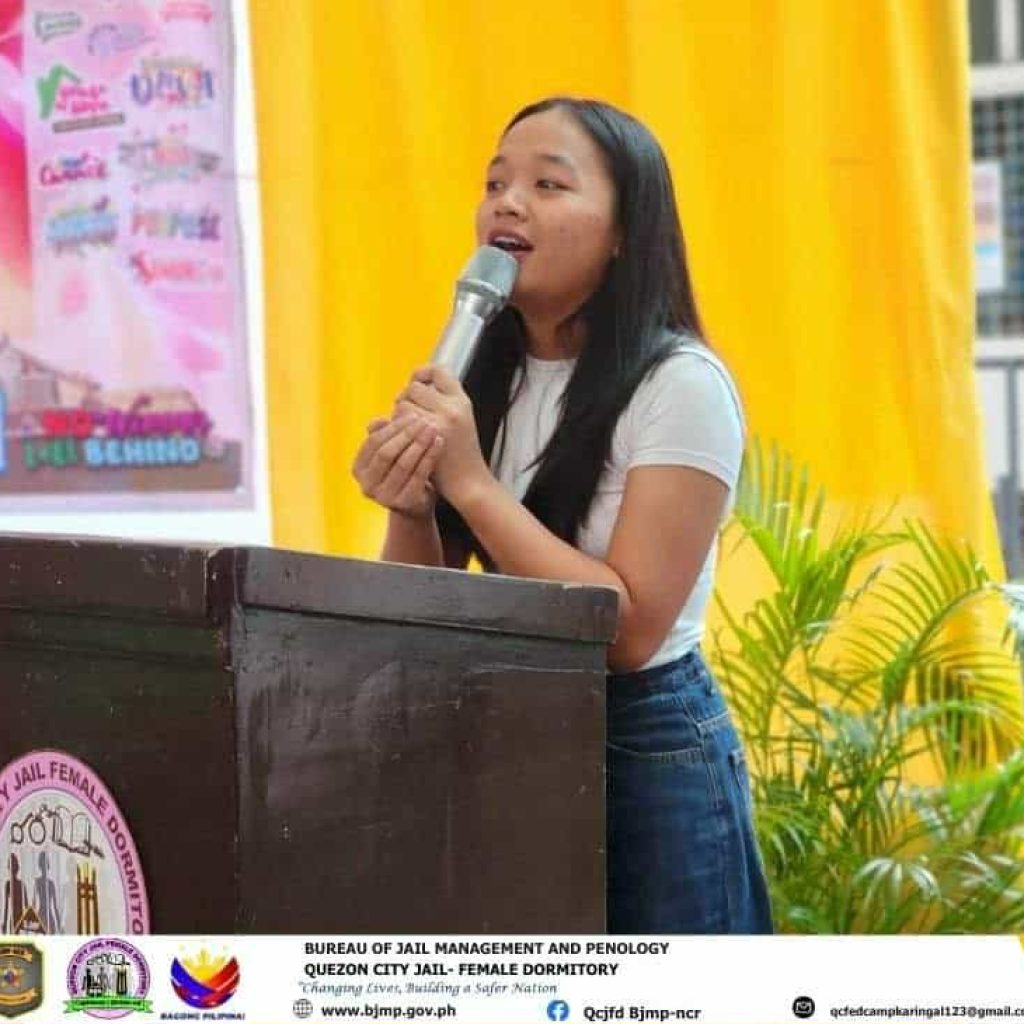
This is how the ChangeMakers Project was born—a youth-led initiative that aims to forward and promote the rights, welfare, health, and well-being of persons deprived of liberty in the Philippines.
Beyond Awareness: From Empathy to Action
Gen Z has often been described as outspoken, socially aware, and unafraid to confront systems. But what we’ve seen in ChangeMakers goes even deeper: a generation that doesn’t just want to feel empathy—they want to act on it.
When we launched the project, many participants admitted they had never thought much about prisons. Yet, as they learned about overcrowding, lack of access to healthcare, and the struggles of reintegration, something shifted. They saw that justice issues are not isolated—they are woven into poverty, education, and mental health.
ChangeMakers creates spaces where young people can understand these intersections and translate awareness into creative action—through storytelling, social media advocacy, policy discussions, and community partnerships.
Because to truly change the narrative, we need a generation that not only knows the data but can tell the human stories behind them.
Digital Voices for the Forgotten
The project recognizes that Gen Z’s greatest strength lies in their fluency with digital media. They are natural communicators, campaigners, and collaborators.
In a world that often scrolls past injustice, ChangeMakers invites youth to use their digital power responsibly—to amplify the stories of those who rarely have access to a camera, a platform, or even a phone call.
Through infographics, podcasts, student-produced videos, and online dialogues, ChangeMakers transforms social media from a space of noise into a space of advocacy. The same tools used for trends can be used to tell stories of resilience, compassion, and reform.
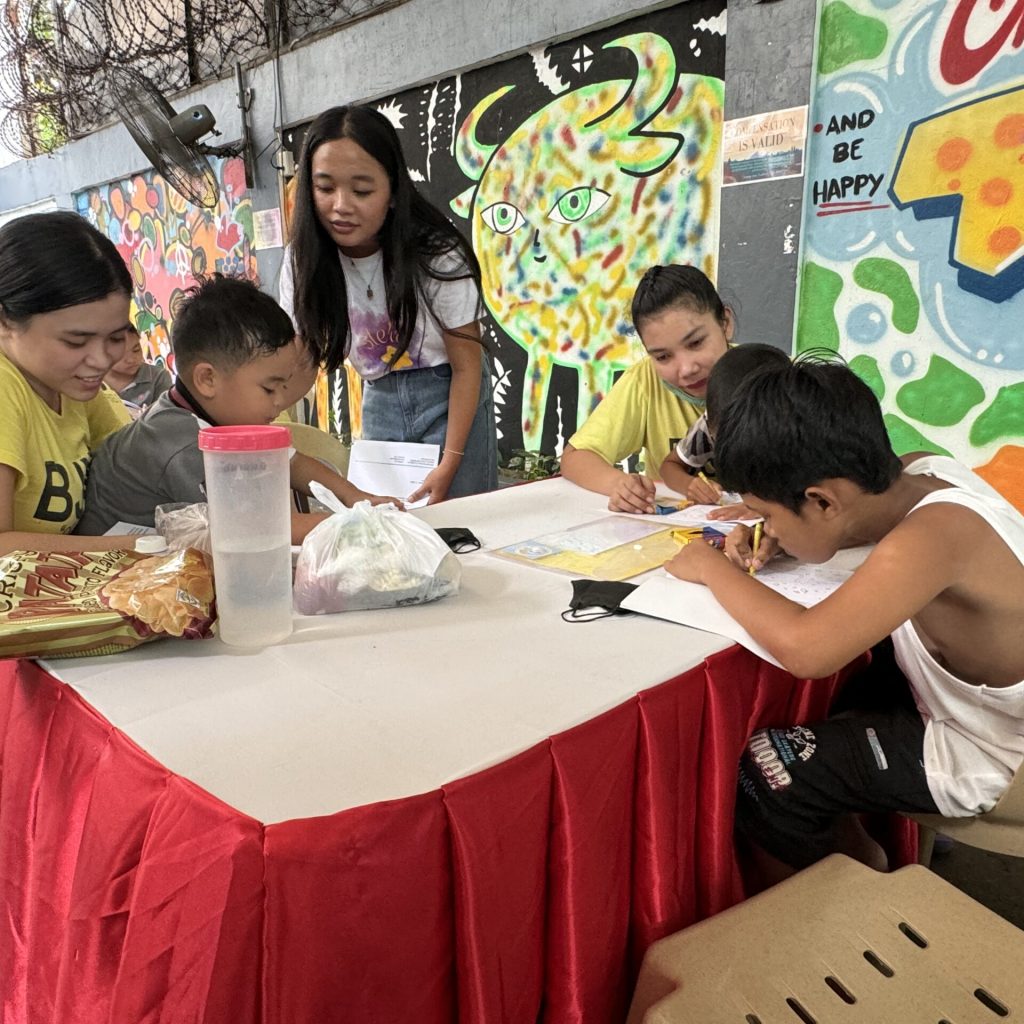
When a young person posts about a person deprived of liberty studying inside jail, or about a mother behind bars fighting to see her child, that’s one more window opened into a world too often ignored.
Health, Dignity, and the Human Right to Be Seen
At the core of ChangeMakers is the belief that the right to health, dignity, and humane treatment does not end at the prison gate.
In many jails, access to medical care remains limited; mental health support is scarce; and stigma often follows PDLs long after release. By centering the project on health and well-being, ChangeMakers helps reframe the conversation: these are not criminals to be discarded—they are humans to be healed.
The project collaborates with organizations and advocates who work directly with jail facilities, ensuring that youth participants understand both the challenges and the possibilities of reform. Through learning exchanges, workshops, and storytelling sessions, young advocates see firsthand that change begins with recognition—that everyone, regardless of circumstance, deserves care and compassion.
A Movement of Hope
Launching ChangeMakers was not just about creating a youth project. It was about building a movement of hope in spaces where despair has long taken root.
When young people step into advocacy for PDLs, they challenge the stigma that has long defined incarceration. They remind us that rehabilitation, not revenge, should be the heart of justice.
Gen Z’s curiosity and creativity are powerful antidotes to apathy. They ask difficult questions. They remix narratives. They turn compassion into content and advocacy into art. And when these young voices unite, they amplify a message long overdue: that every person, even behind bars, deserves a chance to change and be heard.
Toward a More Humane Tomorrow
ChangeMakers is more than a campaign—it’s a call to remember that justice is not just a system, but a shared responsibility.
We launched this project because we believe that transformation begins when the next generation learns to see those who have been unseen. If we want a more compassionate Philippines, we must teach our youth that dignity is not lost in detention—it is rediscovered through empathy, education, and engagement.
Because real change doesn’t start in policy halls or courtrooms. Sometimes, it begins with a single young person asking, “Why don’t we ever talk about people in jail?”—and deciding to do something about it.