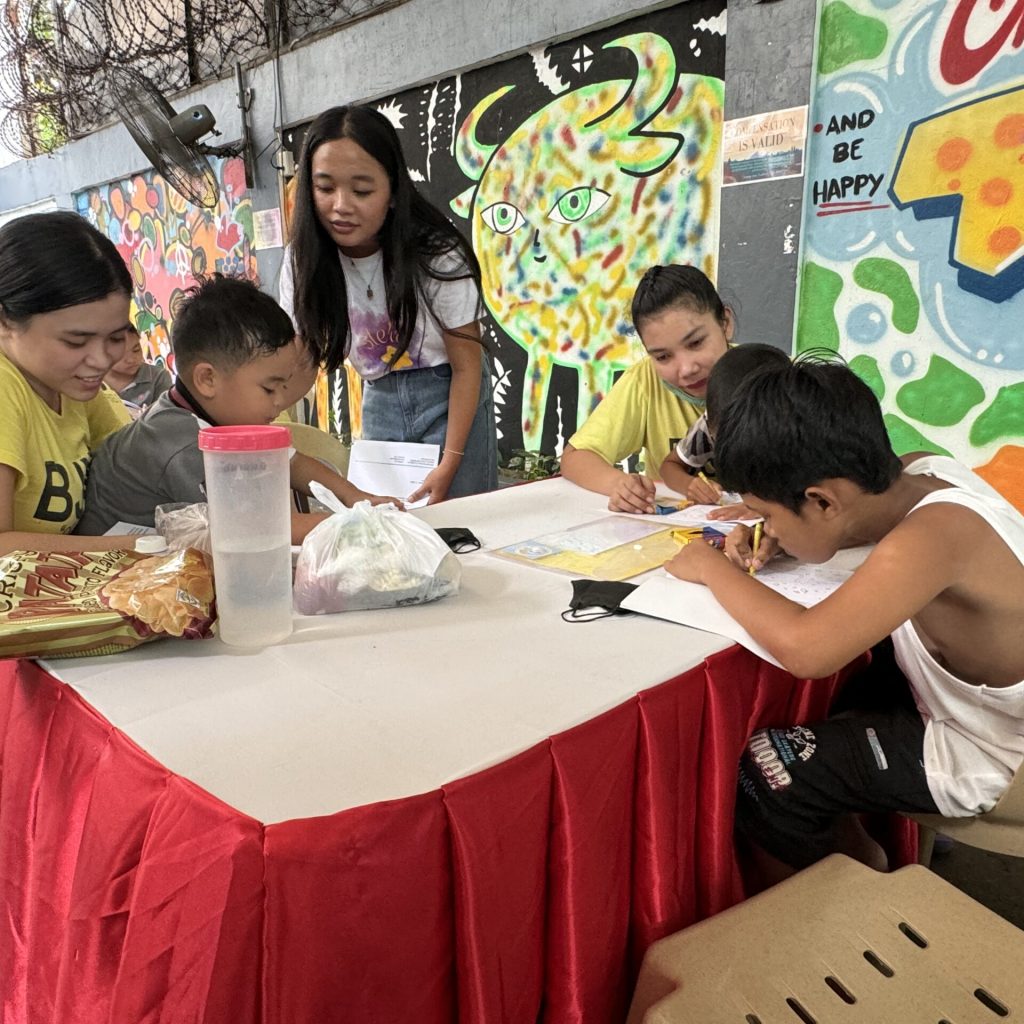
When I talk to college students today—especially those in development communication, sociology, or criminology—one topic keeps surfacing in their research proposals: the reintegration of persons deprived of liberty (PDLs).
At first glance, it seems like an unusual fascination. With so many pressing issues in the country—climate change, unemployment, mental health—why are young researchers suddenly interested in what happens to people after prison?
But if we look closer, this curiosity reveals something deeper about the values of this generation and how they are reimagining justice, empathy, and social change in the Philippines.
A Generation Drawn to Stories of Redemption
Gen Z grew up in a time when the world is both painfully exposed and widely documented. Through social media, they have seen people’s worst mistakes—and their second chances. They have also witnessed how society often fails those who are ready to start over.
For many, stories of persons deprived of liberty—especially those who return to their communities after years of incarceration—speak to a collective longing for fairness and forgiveness.
This generation is not satisfied with narratives of “crime and punishment.” They want to know: what happens next?
What happens when someone walks out of jail but can’t find a job, a home, or even acceptance? How does stigma affect families left behind? And why does our justice system focus on punishment when the ultimate goal should be transformation?
In classrooms and campus research centers, Gen Z students are turning these questions into papers, surveys, and advocacy projects. They’re not just asking why people end up in prison—they’re asking how we can build bridges for those coming out.
Humanizing the Invisible
There’s another reason for this growing curiosity: visibility.
The Philippine correctional system has long been hidden from public view—its overcrowded jails, underfunded rehabilitation programs, and silent stories rarely make front-page news. But in recent years, NGOs, journalists, and advocates have opened windows into this world through documentaries, campaigns, and social media content.
For Gen Z, who are digital natives, this exposure is powerful. They encounter art exhibits about reformation, TikTok videos about paralegal programs, and infographics about human rights in detention. What was once invisible has become relatable—and human.
To this generation, PDLs are not merely “offenders.” They are fathers who want to rebuild trust, mothers struggling to reunite with children, and youth who made mistakes in environments that gave them few chances to begin with.
Empathy, not pity, drives their interest.
The Search for Systemic Understanding
There’s also an academic hunger here. Reintegration is not just a moral issue; it’s a systemic one.
Gen Z researchers are discovering that the success of reintegration depends on multiple factors—policy gaps, economic barriers, local governance, mental health, and community attitudes. Studying these intersections allows them to connect disciplines and propose holistic solutions.
In many ways, reintegration research becomes a microcosm of everything this generation cares about: inclusion, equity, social justice, and sustainable systems. It bridges sociology and psychology, law and communication, policy and lived experience.
Their research is not simply about prisons—it’s about society’s capacity to change.
A Quiet Rebellion Against Hopelessness
Perhaps the most telling reason for this curiosity is a quiet rebellion against cynicism.
In a time when many feel powerless over corruption or inequality, studying the reintegration of former prisoners offers a tangible hope—that change, though slow, is still possible.
It’s an act of resistance against the idea that once someone is branded, they can never be redeemed. It’s a belief that transformation is real, that systems can be humane, and that even those who have fallen hardest can rise again—if given the right support.
In other words, Gen Z’s fascination with reintegration is not just academic curiosity—it’s a form of activism, an assertion that justice should not end with punishment but continue toward restoration.
The Generation That Sees Beyond the Walls
When today’s students write about reintegration, they are, in essence, rewriting the narrative of justice in the Philippines.
They are the generation that sees beyond prison walls and statistics. They ask: How can communities heal? How do we welcome back those who have paid their dues? What does forgiveness look like in policy, not just in prayer?
Their curiosity is a challenge to all of us—to look at justice not as a line between “good” and “bad,” but as a circle that can bring people back in.
Because for Gen Z, justice without compassion is incomplete. And research, at its best, is an act of remembering our shared humanity.