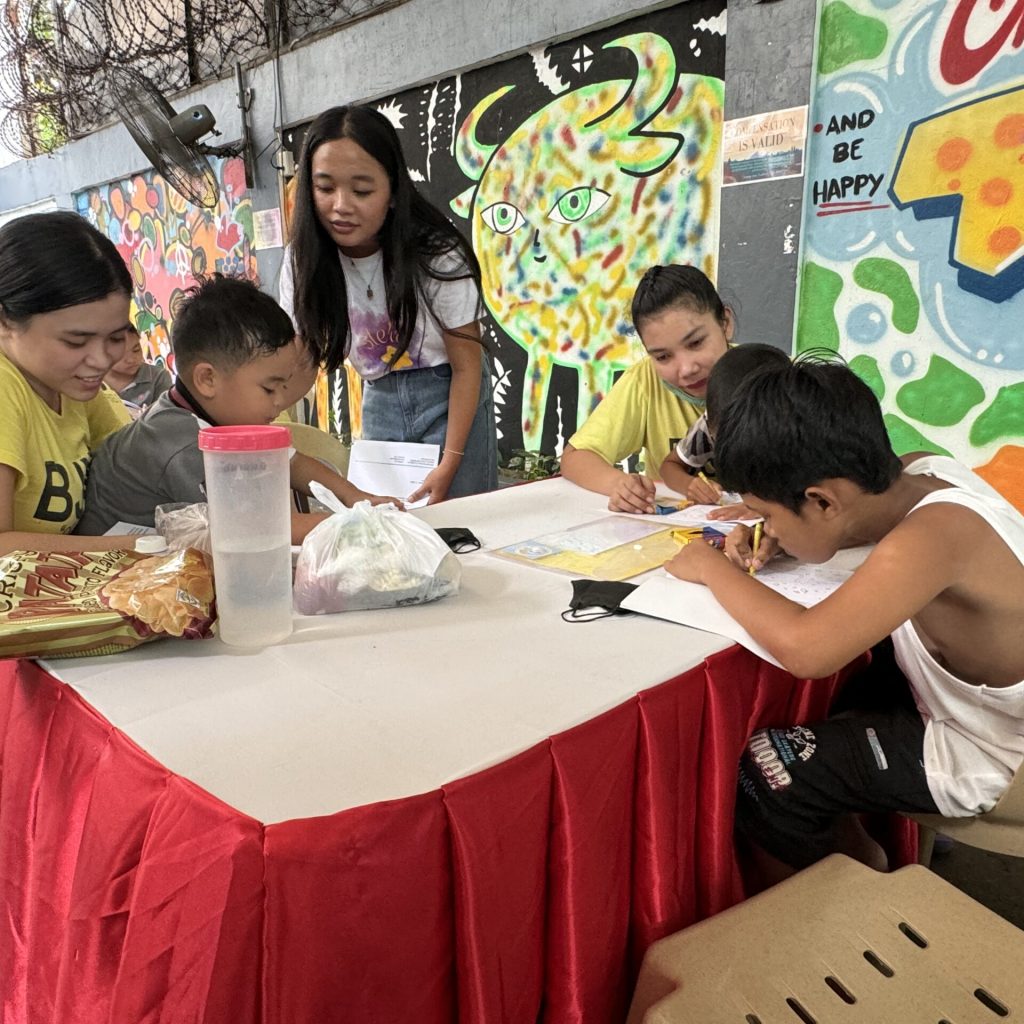
When we speak of justice in the Philippines, the image that often comes to mind is male — the prisoner, the police, the judge. But behind the country’s overcrowded jail cells are thousands of women, many of them mothers, whose stories rarely make it to the surface.
They are the invisible faces of incarceration — women deprived not only of liberty, but of voice, care, and visibility. Their stories remind us that justice, too, has a gender.
The Forgotten Women of Justice
Women PDLs make up only a small percentage of the total jail population, but their needs are distinct — and often neglected. Many are detained for minor, nonviolent offenses, yet they endure conditions that disregard their physical and emotional well-being.
Inside jails, women struggle with inadequate health facilities, lack of gender-sensitive care, and limited access to hygiene and prenatal services. Mothers separated from their children face not only emotional anguish but also systemic neglect. For pregnant women and mothers with infants, detention is not just punishment — it is a daily struggle to protect life in a space not meant for nurturing.
Some jails lack separate facilities for women, forcing them into shared or unsafe spaces. Sanitary products are scarce, medical services are delayed, and mental health support is nearly nonexistent. Yet these are not luxuries — they are rights, enshrined in both Philippine law and international conventions.
The Invisible Labor of Motherhood
Among the most heartbreaking realities we’ve seen are those of mothers behind bars — women who continue to love, nurture, and care under impossible circumstances.
Many of them are first-time offenders or victims of circumstance: wives or mothers driven by poverty, coerced into crimes, or caught in the web of systemic inequality. For these women, punishment often extends beyond the walls. Their children are separated, their families fractured, and their dignity diminished.
When society forgets these mothers, it also forgets their children — children who grow up without guidance, caught in cycles of stigma and poverty. The incarceration of mothers is not just a legal issue; it is a social wound that affects generations.
Strengthening Advocacy for Mother PDLs
Through HLAF’s programs, we have witnessed how advocacy can restore dignity and hope. From paralegal assistance and psychosocial support to community reintegration, each initiative affirms one truth: that every woman, even behind bars, deserves compassion and justice.
With support from The Asia Foundation’s Development Entrepreneurship Program, we are now strengthening our work to ensure that mothers in detention are given access to healthcare, maternal support, and humane living conditions.
This partnership allows us to expand our policy advocacy — pushing for reforms that recognize women’s reproductive rights and the rights of their children, including access to prenatal care, proper nutrition, mental health services, and safe facilities.
We aim to influence systems — from jail management to local government — to see mother PDLs not as offenders to be forgotten, but as women whose rehabilitation and well-being are central to a just society.
Justice, If It Is Just, Must Be Gender-Aware
If justice is truly fair, it must be aware of difference — of how gender shapes experience, vulnerability, and opportunity.
Women’s incarceration is not just about legal accountability; it is about structural inequality. Many of these women are in jail because society failed them long before the courts did — failed to protect them from abuse, failed to provide economic opportunities, failed to offer mental health and social support.
Recognizing these failures is not to absolve crime but to address the roots that cause it. Justice cannot stop at conviction; it must continue through compassion, reform, and reintegration.
A Call for a More Compassionate Justice
As Christmas nears and the nation once again speaks of family and forgiveness, may we also remember the women and mothers who remain unseen — those who still sing lullabies behind concrete walls, who dream not of freedom for themselves but for their children.
The gender of justice is not neutral. But it can be humane.
Through strengthened advocacy for women and mother PDLs, we hope to remind the nation that the measure of our justice system is not how we punish, but how we protect — even those who have fallen, even those behind bars.
Because every woman deserves dignity. And every child deserves a mother who is remembered, not forgotten.