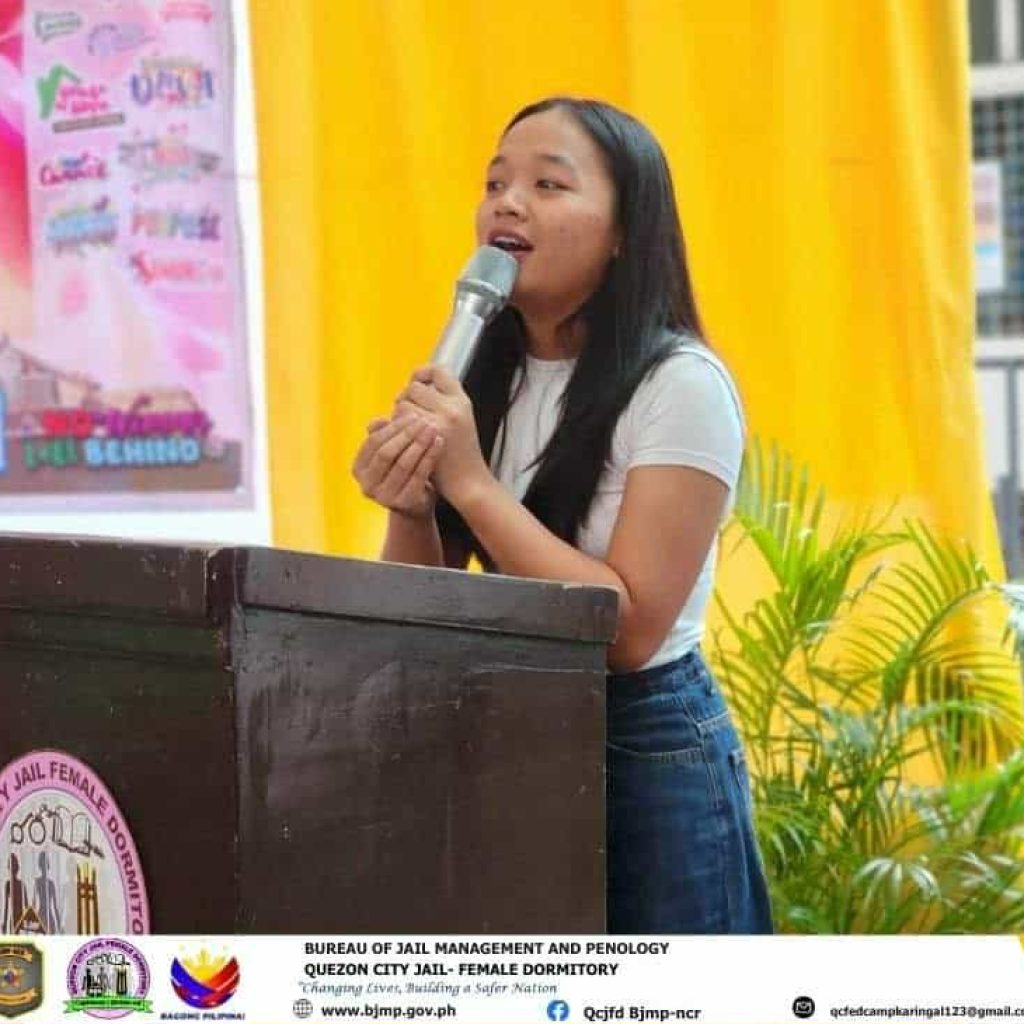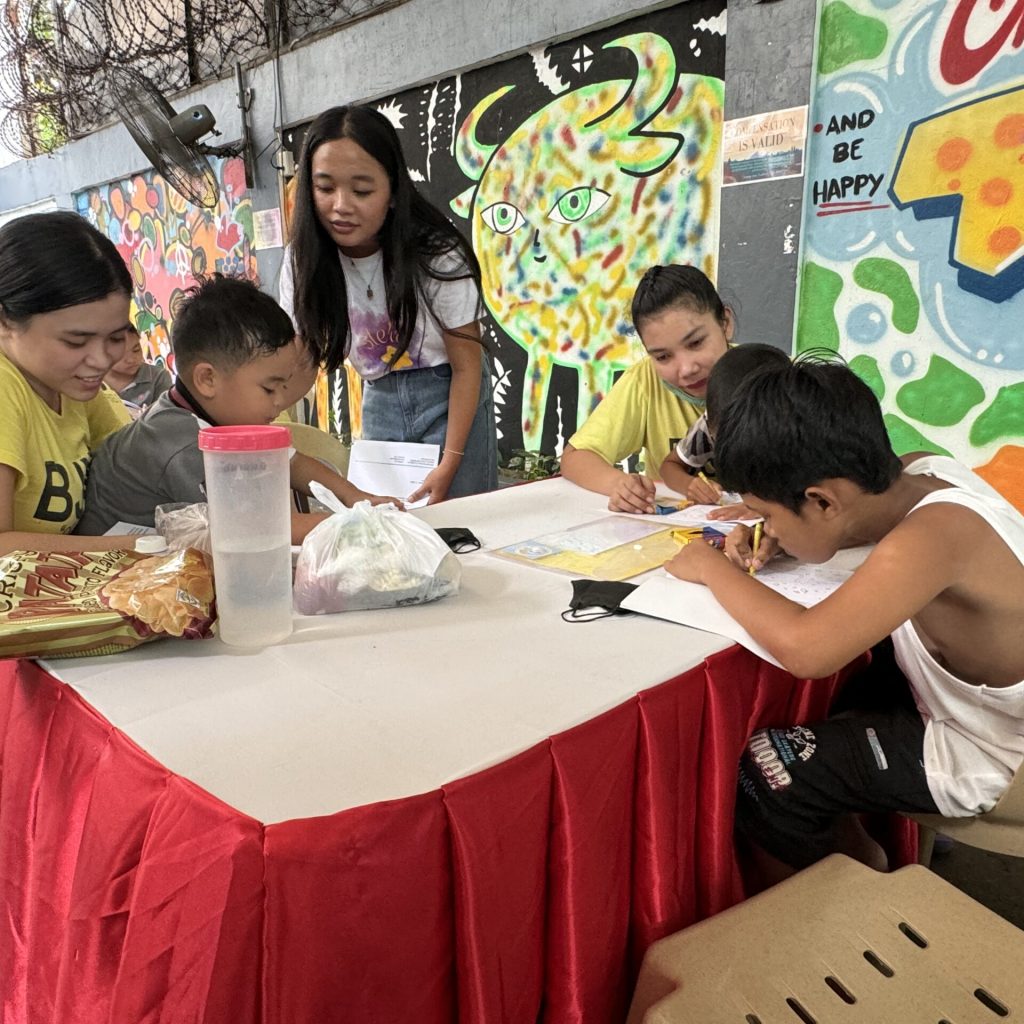
In this world, there are so many emerging and established organizations, with different goals and aspirations. It’s great because it serves as a guide and great help to every person, especially those in need. Every organization has goals, and this is one of them. It aspires to be a bridge of change and development not only for the people who work for it, but also for the people it serves. One of these is the non-profit organization Humanitarian Legal Assistance Foundation (HLAF which aims to help and promote human rights, especially in vulnerable sectors such as arbitrarily imprisoned women, the elderly, and even children. This organization was built and started in the year 2001 by Grandmaster Chua Toksoii. After learning that there are innocent people who have been deprived of their freedom who have been imprisoned for a long time due to slow court proceedings, Grandmaster Chua Toksoi summoned Atty. Perfecto Caparas, Atty. Daniel Gorgonia and Atty. Carolyn Mercado formed a group to provide assistance to Persons Deprived of Liberty (PDLs) who were falsely accused. Helping each of our brothers/sisters who are in prison or conducting direct litigation is the first goal of HLAF according to Mrs. Claudette Almadin Macutay, Registered Social Worker and Master of Social Work( RSW- MSW) a staff of the Humanitarian Legal Assistance Foundation Inc Organization.
Except for the PDLs that until now have been helped by HLAF, they also have three programs that have been established which is the (JD) Program or Jail Decongestion where this program is focused on paralegal trainings even on the proper welfare of the PDLs not only that but they are also committed to improving the perspective, attitude and knowledge of those in charge and the community. Second is the (CRA) or Center for Restorative Action, it was established to address the lack of a training center and trainers to provide knowledge and skills in restorative justice and juvenile justice to communities and to strengthen local child protection mechanisms. And the third one is (FRED) or Focused Reintegration of Ex-detainees; this program is designed to address a very glaring gap in the criminal justice system in the Philippines: the fate of former detainees after release. They assist PDLs in reunification with their loved ones or family as well as their family. Apart from this they also currently provide pre-release programs in selected prisons.
They also fully give their best to have great action when it comes to taking methods and doing steps in their activities throughout the following program they have.
Page Break
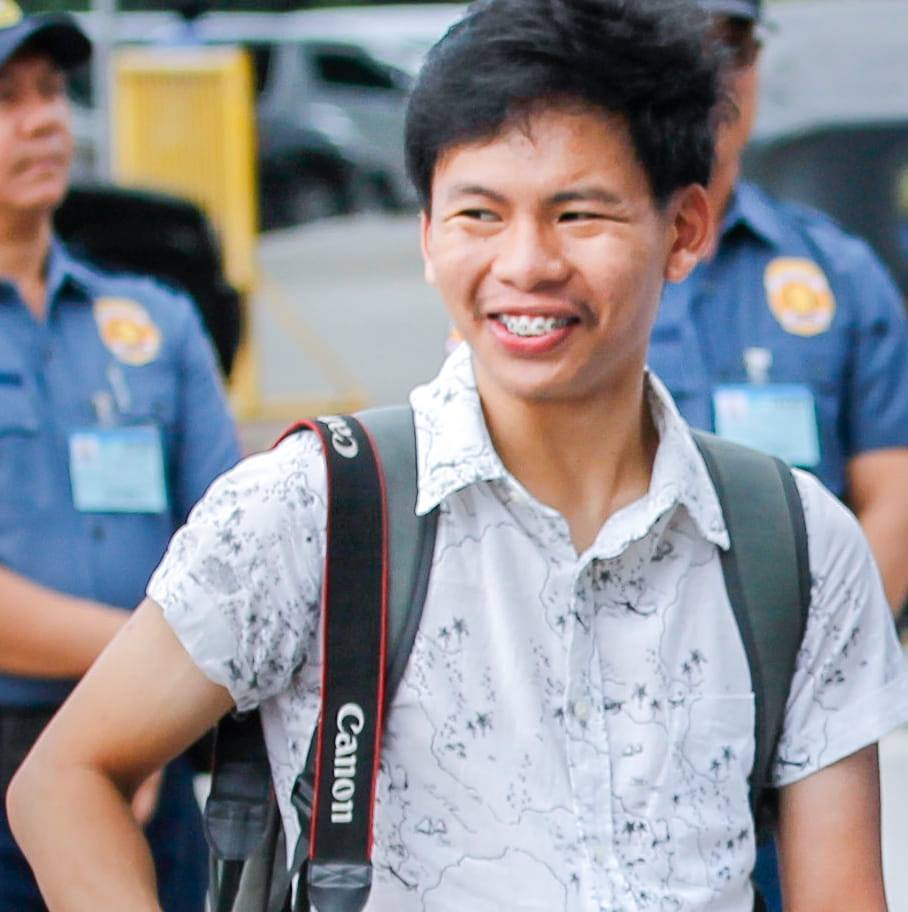
According to Sir. Melvin Nunez, one of HLAF’s communication and advocacy officers and staff, in order to formally take action and different methods to give the best help to people, they first do an assessment and evaluation of the needs in the human rights concern (weekly, monthly, quarterly, and annually) because HLAF is frequently invited by some partners to strengthen their activities. As he added, it seems like HLAF will drag them along with those organizations to better help them implement and have the proper promotional protection of rights. As with the JD program, they are collaborating with local government organizations as well as local government units, non-profits, private individuals, and international stakeholders to implement what is most needed for their advocacy. Humanitarian Legal Assistance Foundation Inc. has made a great contribution, especially to different stakeholders and organizations where you can see truly the changes and development of the one, they help. As Sir. Melvin shares the key indicator of the HLAF it tells how this organization contributed a lot first is in the JD program (Their Result outcomes: The rights of PDLs, namely: Right to Liberty, Right to Health, and Right to Reformation and Social Rehabilitation are secured. It leads to a great outcome where it achieved a speedy and efficient trial. PDLs are healthy in mind and body while preventive detention and PLAIDES provide paralegal intervention to their fellow PDLs. PDLs. Also followed by the output which Proper Intervention is provided, Detainee’s Notebooks are used. Welfare Missions and Visits are conducted to address the psychosocial needs and physical well-being of the PDLs and the corresponding dynamics in prison settings, as well as social care and assistance including early detection of mental health issues. And PLAIDES are equipped with knowledge, skills, and attitudes to help their fellow PDLS. They conducted activities such as case consultation, and case follow-up. Orientation on the use of DN, Spot checks, Distribution of Detainees’ notebooks, Compassionate Jail visits, Promotion of Mental Health Activities, Coordination meetings and advocacy meetings, Paralegal Training, and Mentoring Totally the indicators of JD program have a No of good stories related by Jail Officers and. No the eligible PDLs released No. of cases which were discussed in the Case Consultation, No. of jails using detainee’s notebook, No. of PDLs who benefitted from welfare missions, No. of welfare missions conducted, No of PDLs who benefitted from PLAIDEs’ paralegal intervention, No. of pieces of training conducted/organized by PLAIDES No. of PLAIDES trained and capacitated. The second Result and outcomes that the JD program had is about the Criminal Justice Sector (CJS) duty-bearers respect, protect and fulfill the rights of PDL, its outcomes was the BJMP, Provincial
Page Break
Jail Guards and Facility Administrators perform their duties and functions in accordance with existing laws, regulations, policies, and procedures, with a view to bringing about the objectives of penal and corrections services, and the rights of PDLs are protected. Its outputs are JPOs and Provincial Jail Guards and Facility Administrators are motivated and empowered to support PLAIDEs’ activities such as Coordination meetings and advocacy meetings, Training of JPOs and Provincial Jail Guards, Mentoring of JPOs and Provincial Guards and the sum indicator of this result had a. No. of jails/facility who sustained their paralegal activities for 3 months after graduation of PLAIDES and No. of JPOs and Provincial Jail guards who are capacitated to operate a Jail Paralegal Office. The next outcome was TFKK was established and institutionalized. Its output is Local justice sector agencies convened to strategize on decongesting jails and court dockets as well provide access to justice for detained accused and Data Collection and Analysis, TFKK meeting are the following activities they done. Totally No. of functional TFKK was initiated and the meeting had conducted. The third omes for the second result of JD program concern to Community volunteer’s and stakeholders facilitated case intervention and were able to provide paralegal assistance to PDLs. Its output were the Community volunteers, students and CHR Regional Office personnel are capacitated and empowered to assist in the task of social rehabilitation of PDLs and to perform jail decongestion activities their following activities Coordination meetings and advocacy meetings,National Corrections Congress, CLED Class, Community Paralegal Manual on Jail Decongestion, Internship Program and Team training. With an indicator No. of PDLs who benefitted from community members’ paralegal intervention and volunteers capacitated and empowered. JD program indicator show how HLAF organization and the employee there help more the PDL’s to have good development personally.
Furthermore, CRA also have a key indicator that show how HLAF help the people as well those partner organization which it results first (Stronger child protection system that promotes and practice Human rights, Juvenile Justice, Restorative Justice and Mainstreaming children’s issue on multi-level Local Governance) where its outcome were. Stakeholders, duty-bearers and children have increased resilience and capacity gearing towards child-sensitive and inclusive; needs-responsive and rights-based approach in protecting children, And the output are Enhanced skills and attitude of Local councils for the protection of children (BCPC, MCPC, CCPC, PCPC) on Human rights, Juvenile Justice, Restorative Justice and Mainstreaming children’s issue on multi-level Local Governance. Raised community awareness on Human rights, Juvenile Justice, Restorative Justice and Mainstreaming children’s issue on multi-level Local Governance conducted and/or facilitated and/or organized. Also, the activities had taken
Page Break
in this program are more like session such as Learning sessions for local actors, mentoring sessions and mentoring of mentor. Juvenile Justice and Restorative Justice Implementers, experts and professionals gathered and discuss experiences, challenges and ways forward in the implementation and advocacies on JJ & RJ, and Child Protection Issues and recommendations of children were solicited to children by children. The activities taken it in this was Advocacy and networking meetings, social engagement sessions with students and volunteers, Local Councils for the Protection of Children Congress. Totally it indicates the no. of activities that facilitates new learning; skills enhancement and advocating on Human rights, Juvenile Justice, Restorative Justice and Mainstreaming children’s issue on multi-level Local Governance. The No. of relevant learning sessions on Human rights, Juvenile Justice, Restorative Justice and Mainstreaming children’s issue on multi-level Local Governance that is responsive to the needs of the communities. No. of spaces for sharing knowledge and experiences organized and/or facilitated and/or conducted, Local Councils for the Protection of Children Congress organized and/or facilitated and/or conducted also Children and Youth Congress organized and/or facilitated and/or conducted. Moving forward to another key indicator when CRA ensure the rights and protection for the youths and Children as well the people in community. The key indicators of FRED program result to Local Government Unit created Reintegration Program and PDLs are prepared for their released and former PDLs are reintegrated where they indicated the no of number of LGUs with Organized FRED Management Committee, A number of stakeholders meeting conducted and or participated, A number of mentoring and coaching session, number of PDLs prepared for their released and former PDLs reintegrated to their families and community also a number of PDLs who underwent pre – release formation session. The more that HLAF has made great progress since it was founded, it’s inevitable to face challenges, especially when it comes to implementing different activities and programs, but how HLAF effectively managed it well. As the pandemic started, Sir Melvin stated some challenges, like internet connection, are one of the problems they’ve encountered because it sometimes affects the regular communication and the schedule too. Some of the actual activities were delayed and rescheduled, but as he said, in other activities with regards to advocacy, there were no challenges. What’s challenging them is the external, like when the law is discussed in the legislature. The executive, in the making of laws and in the implementation of laws, it becomes a challenge for them and helps to HLAF in order to adopt, especially on how they can better help the target beneficiary they have.
Page Break
Moreover, HLAF is not just about helping the vulnerable sector, it is also about molding one’s personality. It is a great help for anyone to see the real values of someone, especially the people who got wronged and falsely accused. According to Sir Melvin, the best thing that he had learned and experienced in HLAF was helping someone without judging who they are and, importantly, making everyone feel and realize that in life there’s still hope. As he added, if one door closes, another door will open (for you). He also shared how his perspective changes when he started working in HLAF: “Hindi lahat ng PDL ay Criminal at Masama. At ang bawat mga bata at PDL’s ay may Pag-asa”.
Ultimately HLAF organization is a bridge of Hope and Development because it helps not just the people in need but also the society. It alters the human rights narratively in the form of people’s social behavior. Perhaps it is more expansive because in HLAF there is social behavior change, increasing capacity, identifying opportunities, forging new paths, and well filling gaps.