In a few weeks, the country will once again glow with parols, Simbang Gabi will fill dawn with music, and families will gather around tables heavy with food and laughter. The Philippines celebrates Christmas like no other nation — bright, loud, and full of faith in the promise of redemption.
But beyond the carols and lights, there are thousands who will not see these celebrations the same way. For persons deprived of liberty (PDLs), Christmas is not a season of reunion, but of remembering — of what was lost, and of the fragile hope that remains.
A Different Kind of Waiting
For PDLs, December marks another kind of waiting. Many are pre-trial detainees who have not yet been convicted but remain behind bars due to poverty, slow processes, or lack of legal aid. Others have long been sentenced but still await reintegration — uncertain if their communities, or even their own families, will welcome them back.
While most of us count the days until Christmas Eve, they count the years.
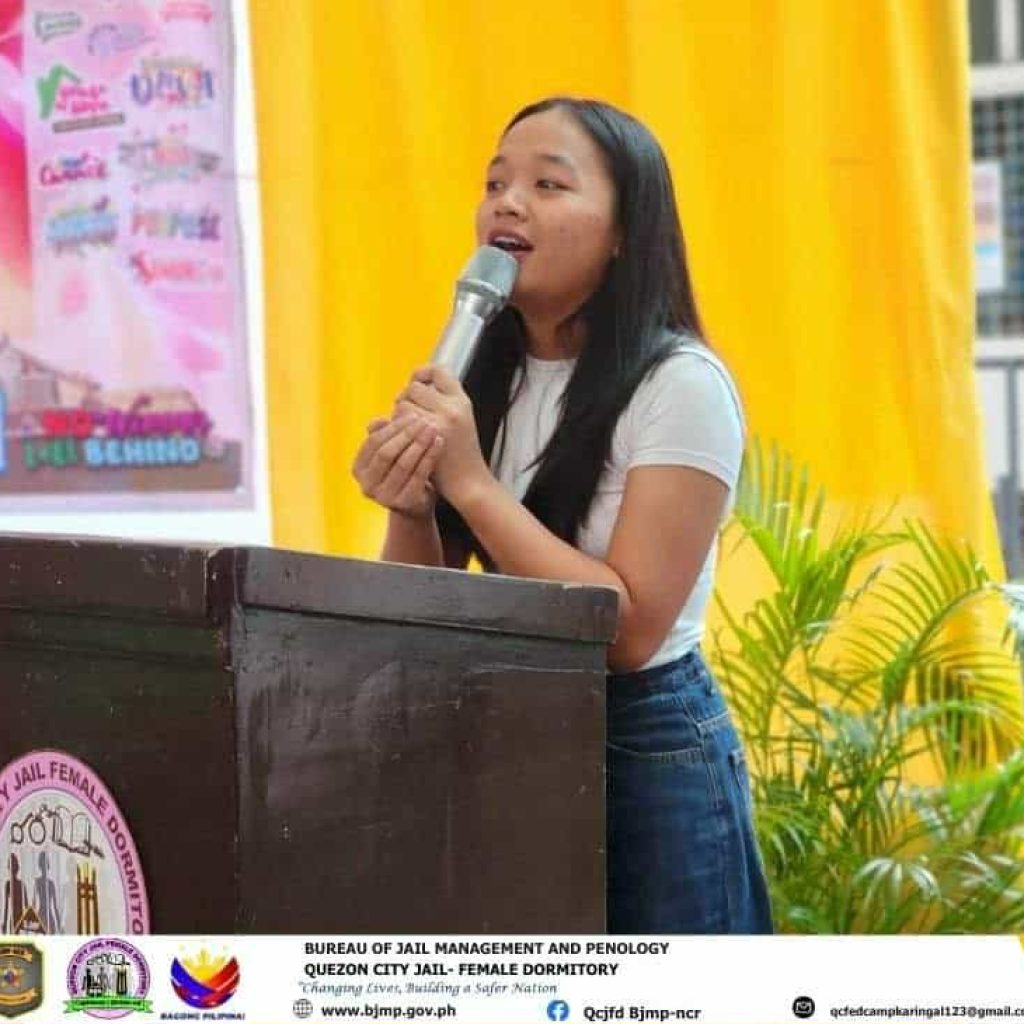
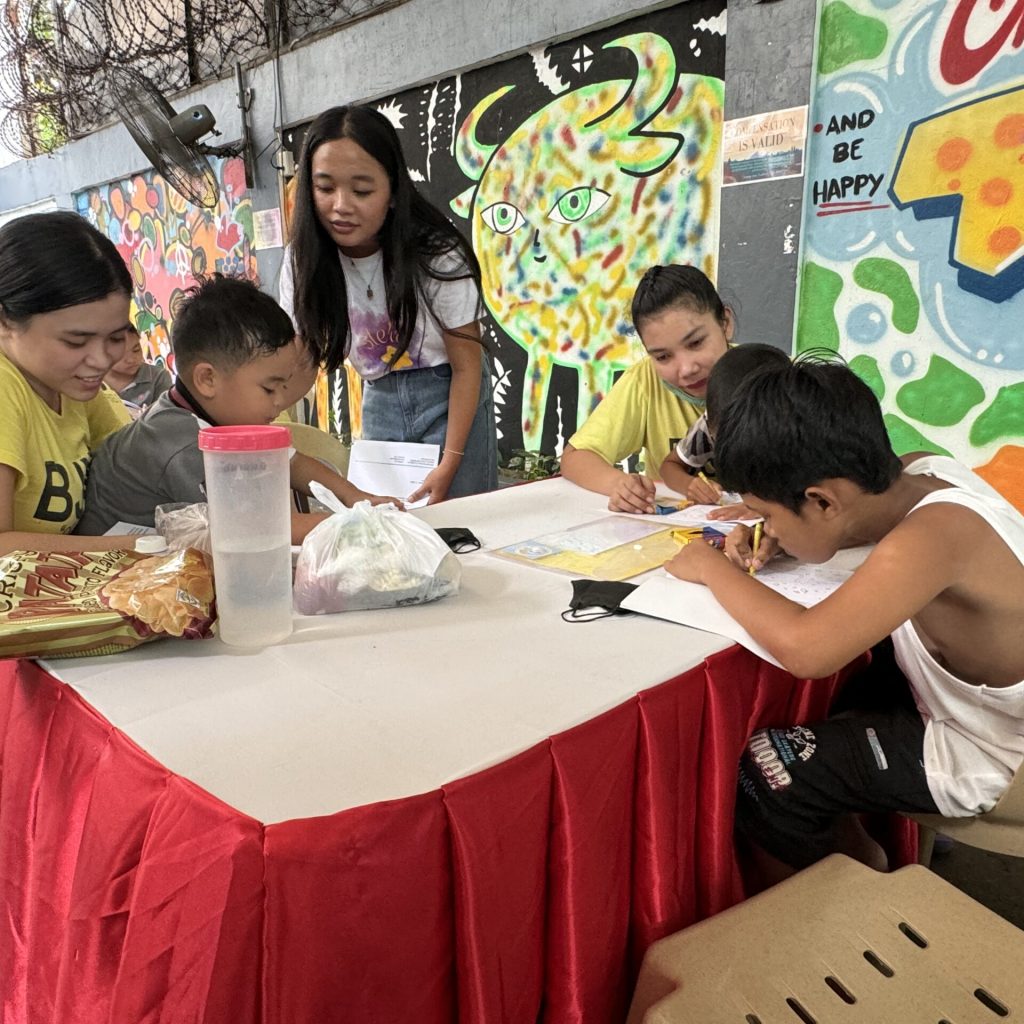
In overcrowded facilities, Christmas can mean nothing more than a small shared meal, a short prayer service, or a volunteer visit. Yet in these small gestures, one often finds the truest form of the season: hope in humility.
I’ve seen it in the way PDLs share food among themselves, or in the letters they write for children they cannot hold. For them, Christmas is not about material gifts — it is about being remembered.
The Meaning of Christmas, Reconsidered
If we truly believe in the message of Christmas — compassion, forgiveness, and renewal — then we must also believe it applies inside jail walls.
The story of the Nativity is not one of comfort, but of hardship: a child born in a shelter for the displaced, a family finding light in the darkest of circumstances. To celebrate that story while forgetting those who live in literal confinement is to miss its very point.
Christmas should remind us that no one is beyond redemption. And if our faith teaches that forgiveness is divine, then our justice system, too, must reflect mercy.
The Philippines, after all, is a nation that prides itself on faith and family. But how many families are incomplete each December because one parent is behind bars for a nonviolent offense, or simply because they could not afford bail?
If Christmas is about reunion, then maybe our justice system — and our collective conscience — should work harder to make reunions possible.
Acts of Mercy, Not Just Charity
To remember PDLs this Christmas is not to excuse their crimes, but to affirm their humanity. True compassion means seeing beyond the label of “inmate” and recognizing the person: the mother who prays for her child’s schooling, the father who builds handmade parols for visiting church groups, the youth who studies law from a donated book.
This season, acts of mercy can take many forms:
-
Supporting organizations that provide paralegal and reintegration assistance;
-
Donating hygiene kits, food packs, or reading materials to jail facilities;
-
Writing letters, hosting online advocacy drives, or amplifying stories of rehabilitation;
-
Or simply, advocating for policies that uphold humane treatment and access to justice.
Christmas calls us not to pity, but to solidarity.
Freedom Beyond Walls
In truth, the message of Christmas is not just about birth — it’s about liberation. It is about light breaking through darkness, and the belief that no situation is beyond grace.
If we want to make the season meaningful, let us expand the idea of “freedom” beyond those who can walk the streets. Let us remember that freedom also means dignity, restoration, and the chance to begin again.
As the rest of us gather with loved ones, may we also think of those whose families remain separated by iron bars — and ask ourselves what kind of society we want to be celebrating in.
Because a nation that can remember its most forgotten members during Christmas is a nation that truly understands what the season is for.
A Season for Everyone
In the end, Christmas for persons deprived of liberty should not just be a day of longing — it should be a reminder of belonging.
If there is one message we can take from Bethlehem to Bicutan, from the manger to the jails, it is this: no one is too far gone for grace.
Let this Christmas be not only about celebration, but about compassion — a call to see, to listen, and to remember those still waiting for their own kind of freedom.