In 2025, we at the Humanitarian Legal Assistance Foundation (HLAF) experienced a year of meaningful growth, deepened impact, and strengthened partnerships as we continued our mission to advance access to justice, uphold human rights, and restore dignity to those most marginalized by the justice system. Guided by our commitment to persons deprived of liberty, children in conflict with the law, persons restored to liberty, and their families, we expanded our reach, refined our approaches, and reinforced collaboration with justice actors and communities across the Philippines.
Throughout the year, we provided sustained legal assistance that led to the release of more than 432 individuals through case consultations, representation, and coordinated engagement with courts, jail authorities, and justice sector partners. We intervened in over 1,300 cases, addressing prolonged detention, case congestion, and procedural barriers that often keep indigent individuals behind bars longer than the law allows. Through strengthened paralegal services and partnerships with the Bureau of Jail Management and Penology, law schools, volunteer lawyers, and justice institutions, we pursued jail decongestion as a shared responsibility grounded in rights and due process.
We also significantly expanded our programmatic scope and service delivery in 2025. Legal aid and representation remained at the heart of our work, with focused attention on women, LGBTQIA+ individuals, persons with disabilities, and communities in rural or underserved areas. Alongside this, we intensified community legal education through workshops, webinars, and grassroots forums that empowered individuals and communities with knowledge on human rights, criminal procedure, and legal self-help strategies. We further enhanced our rapid response capacity, enabling us to act swiftly during emergencies and urgent human rights situations
A defining feature of 2025 was our holistic approach to reintegration. We supported at least 298 individuals as they transitioned back into their communities through integrated legal, psychosocial, economic, and community-based interventions. We affirmed that reintegration is not a one-time event, but a continuous, dignity-centered process essential to reducing recidivism and promoting social inclusion. Complementing this work, we implemented needs-responsive donation programs and mobilized in-kind support from partners to ensure that material assistance directly addressed assessed needs while respecting the dignity of those we serve
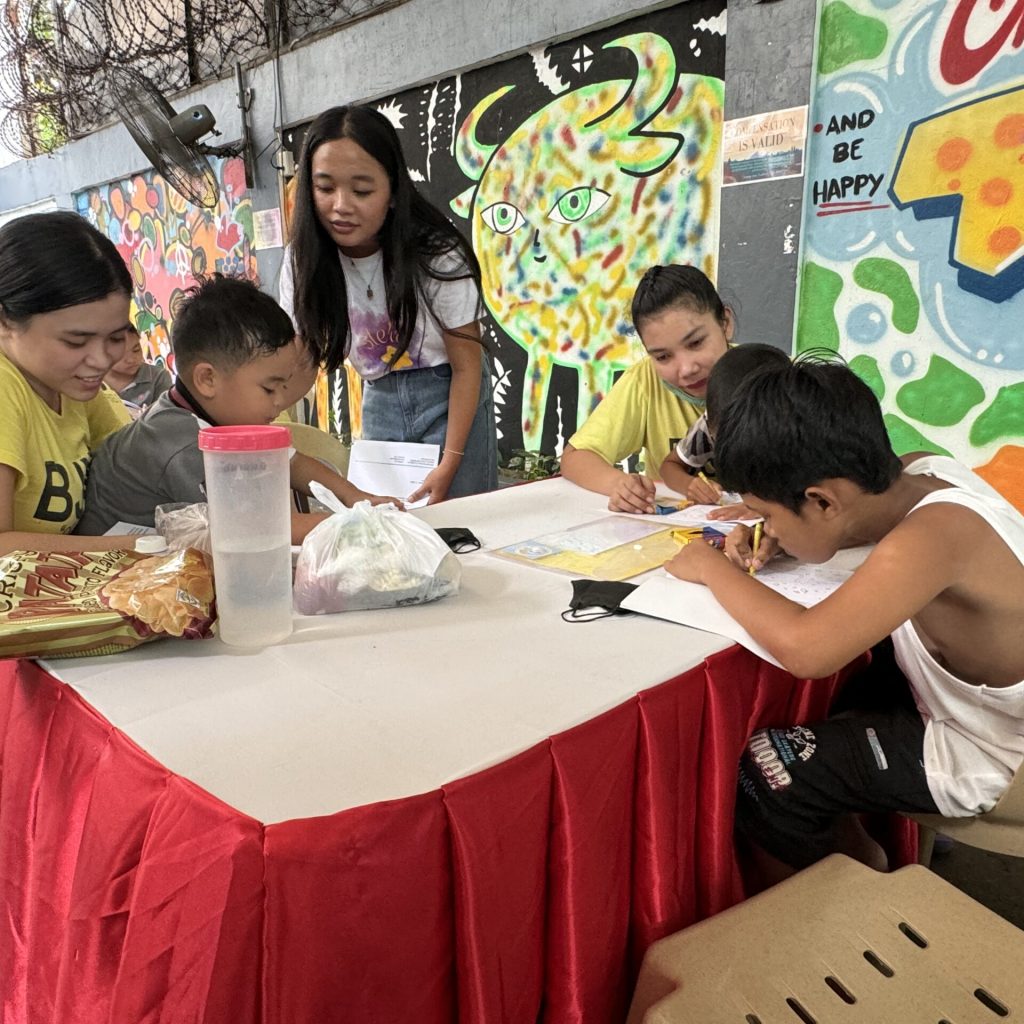
Children’s rights and restorative justice remained central to our work in 2025. We engaged more than 68 children through age-appropriate, participatory, and rights-based activities designed to support protection, positive development, and accountability. These efforts reflected our continued advocacy for the full implementation of the Juvenile Justice and Welfare Act and our commitment to community-based diversion and restorative justice practices. By working closely with families, local governments, and child protection mechanisms, we contributed to creating safer and more supportive environments for children affected by the justice system
Capacity building and partnership development were hallmarks of our accomplishments during the year. We capacitated over 298 duty-bearers—including jail officers, local government personnel, and justice practitioners—on human rights, criminal justice, juvenile justice, reintegration, and restorative justice. We also deepened our engagement with the academe, partnering with 16 law schools and colleges through internships, clinical legal education programs, and research collaborations, while working alongside more than 35 interns and volunteers who actively supported our legal aid, research, communications, and community engagement initiatives
We further strengthened our advocacy through knowledge generation and strategic communication. In 2025, we produced research on the Revised Rules on Criminal Procedure and their implications for persons deprived of liberty, translating our field experience into evidence-based insights for justice reform. At the same time, our communications and advocacy efforts reached more than 1.5 million people through strategic storytelling, legal explainers, multimedia content, and timely campaigns that humanized justice-affected populations and challenged harmful stereotypes
Collaboration remained a cornerstone of our work throughout 2025. We built and strengthened strategic alliances with local government units, civil society organizations, youth networks, academic institutions, and international partners, engaging in joint advocacy efforts on justice sector reform, children’s rights, and inclusive access to legal remedies. These partnerships ensured that our programs remained responsive, grounded in community realities, and aligned with national and international human rights standards
As we closed 2025, we reflected not only on outputs and numbers, but on lives restored, families reunited, and systems challenged to become more just and humane. We extend our deepest gratitude to our partners, supporters, volunteers, and communities whose trust and solidarity made this work possible. Carrying forward the lessons of 2025, we move ahead with renewed commitment—determined to scale what works, strengthen what we have built, and continue ensuring that access to justice, dignity, and hope remain within reach for all